Whole-Home Battery Backup Options Beyond Tesla Powerwall
Where portable power stations stop and whole-home battery systems start, with the UL 9540/2743 line that actually marks the crossover, and five real products.

We independently evaluate every product. Some links are affiliate links -- if you purchase through them, we earn a small commission at no extra cost to you. Full disclosure
Key facts
| Products compared | 5 home-backup products |
|---|---|
| Price range | $1399 to $4000 |
| Top pick | DELTA Pro Ultra (EcoFlow, $3,799) |
| Best value | F3800 Plus ($2,399.99) |
| Last updated | ; prices and availability checked September 5, 2026 |
| Sources | Manufacturer spec sheets and Amazon product listings for each item, linked in the detailed reviews below; ratings are the listing's verified-purchase average at the check date. |
Our Top Picks
Quick recommendations if you're in a hurry
DELTA Pro Ultra
EcoFlow · $3,799
Homeowners who want a modular path from a single large battery toward true whole-home capacity
See price at EcoFlowF3800 Plus
Anker · $2,399.99
Buyers who want home-battery-class expansion without EcoFlow's higher entry price
See price at Anker SOLIXDELTA 3 Ultra Series Portable Power Station
EcoFlow · $1,399
Readers priced out of the expandable systems who want the largest true-portable unit as a bridge
See price at EcoFlowThe whole-home battery market is crowded, but only a handful of systems actually cross the safety-standard line that separates a “large portable power pack” from a true residential energy-storage system. The decisive factor is UL 9540 certification, which applies to stationary or mobile storage that exceeds the capacity limits of UL 2743 , the standard that governs portable packs. Among the options we examined, EcoFlow’s DELTA Pro Ultra is the only unit that starts as a big portable but is explicitly UL 9540-certified and can be expanded to a full-home capacity. All other products either remain firmly in the portable-pack world or offer limited expansion without the UL 9540 badge, making them better suited as bridge or supplemental solutions rather than direct Powerwall replacements.
How we chose these systems
We started with any battery that advertised at least 3 kWh of usable capacity, because anything smaller is unlikely to cover essential circuits in a whole-home outage. From that pool we kept only models with clear manufacturer specifications, a publicly listed price verified on the product page as of 2026-09-05, and an explicit statement of UL certification or a lack thereof. We then ranked the remaining units by a combination of scalability (ability to add modules), continuous power output, and price per watt-hour, while also noting whether the product falls under UL 2743 (portable) or UL 9540 (stationary/home-scale) , the real dividing line between a “big power station” and a “whole-home battery” [UL 2743][UL 9540].
DELTA Pro Ultra (EcoFlow)
What it is - The DELTA Pro Ultra ships as a 6144 Wh base unit for $3,799 [EcoFlow DELTA Pro Ultra]. EcoFlow labels the product UL 9540-certified on its own image, meaning it meets the safety standards for stationary or mobile residential energy-storage systems. The system can be expanded up to 90 kWh by adding multiple external battery modules, turning a single portable unit into a true whole-home solution.
Who it’s for - Homeowners who want a modular path from a single large battery toward full-home capacity. If you’re comfortable starting with a 6 kWh unit and plan to add modules as your budget or energy needs grow, the DELTA Pro Ultra gives you a certified route that stays within UL 9540.
What we would change - The base 6144 Wh unit alone does not provide whole-home backup for most houses; a realistic whole-home setup will require several expansion packs, which adds cost and weight. A clearer roadmap from the manufacturer on the total number of modules needed for typical 10-15 kWh home loads would help buyers plan more accurately.
Pros - Expandable to 90 kWh, UL 9540 certification, high continuous output (7200 W).
Cons - Base unit is not whole-home scale; expansion requires buying multiple additional batteries.
F3800 Plus (Anker SOLIX)
What it is - The F3800 Plus is a 3840 Wh LFP battery priced at $2,399.99 [Anker SOLIX F3800 Plus]. It delivers 6000 W continuous power and can be expanded to a total of 26.88 kWh using additional modules. The product page does not list UL 9540 certification, so it remains under the UL 2743 portable-pack umbrella.
Who it’s for - Buyers who need a lower-cost entry into an expandable battery system and are willing to accept a portable-pack classification. If you anticipate a maximum backup need of around 10 kWh and want to avoid the higher price of EcoFlow’s system, the F3800 Plus offers a solid balance of capacity and output.
What we would change - The unit weighs 136.7 lb, and each expansion battery adds significant weight and expense. Providing a lighter chassis or a clearer cost-per-kWh breakdown for the expansion modules would make the system more approachable for DIY installers.
Pros - Expandable to 26.88 kWh, 6000 W continuous output, relatively affordable entry price.
Cons - Heavy base unit, no UL 9540 certification, expansion adds weight and cost.
Yeti PRO 4000 (Goal Zero)
What it is - Goal Zero’s Yeti PRO 4000 is a single-unit LiFePO4 battery with a rated capacity of roughly 3993 Wh (1109 Ah @ 3.6 V) and a price of $3,999.95 [Goal Zero Yeti PRO 4000]. The product page does not mention any expansion capability or UL 9540 certification, positioning it firmly as a large portable power station.
Who it’s for - Homeowners who want a single, high-capacity battery without committing to a multi-unit expansion ecosystem. If you are comfortable with a fixed ~4 kWh backup and prefer the proven LiFePO4 chemistry, the Yeti PRO 4000 is a straightforward option.
What we would change - Adding an official expansion path and UL 9540 certification would elevate the Yeti PRO 4000 from a portable backup to a credible whole-home contender. Without those, its utility is limited to covering essential loads for a few hours rather than full-home resilience.
Pros - ~4 kWh capacity, LiFePO4 chemistry, single-unit simplicity.
Cons - No expansion path, no UL 9540 certification, not a whole-home system by standards.
DELTA 3 Ultra Series Portable Power Station (EcoFlow)
What it is - The DELTA 3 Ultra is a 3072 Wh portable power station sold for $1,399 [EcoFlow DELTA 3 Ultra]. It is explicitly covered by UL 2743, meaning it is a portable pack and not intended for stationary whole-home installation.
Who it’s for - Readers priced out of the expandable systems who still want the largest true-portable unit available as a bridge to larger storage. If you need a backup for short outages or as a supplemental power source for critical devices, this model offers the best price-per-watt-hour among the portable options.
What we would change - Because it remains under UL 2743, it cannot be legally installed as a permanent whole-home battery. Offering a certified, modular upgrade path that would transition the unit into UL 9540 territory would make it more versatile.
Pros - Lowest price per Wh among large-capacity units, UL 2743-compliant portable design.
Cons - Not a whole-home system, limited to portable use.
Explorer 2000 Plus Portable Power Station (Jackery)
What it is - Jackery’s Explorer 2000 Plus provides 2042 Wh of LiFePO4 storage for $2,499 [Jackery Explorer 2000 Plus]. Like the DELTA 3 Ultra, it falls under UL 2743 and is intended as a portable, not stationary, solution.
Who it’s for - Buyers who value a well-known brand with strong documentation and solar-matching resources, even if the capacity is smaller than other options. It serves as a reliable bridge for those who need a portable backup but are not ready to invest in a full-home system.
What we would change - The capacity is the smallest in this list, and without UL 9540 certification it cannot be used as a permanent home battery. Providing an official expansion kit that would bring the system into UL 9540 compliance would broaden its appeal.
Pros - Strong brand support, LiFePO4 chemistry, solid documentation.
Cons - Smallest capacity, portable-only classification.
Comparison at a glance
| Product | Base Capacity | Expandable To | Continuous Output | UL Cert. | Price (base) |
|---|---|---|---|---|---|
| DELTA Pro Ultra (EcoFlow) | 6144 Wh | 90 kWh | 7200 W | UL 9540 | $3,799 |
| F3800 Plus (Anker) | 3840 Wh | 26.88 kWh | 6000 W | UL 2743 | $2,399.99 |
| Yeti PRO 4000 (Goal Zero) | ~3993 Wh | - | - | UL 2743 | $3,999.95 |
| DELTA 3 Ultra (EcoFlow) | 3072 Wh | - | - | UL 2743 | $1,399 |
| Explorer 2000 Plus (Jackery) | 2042 Wh | - | - | UL 2743 | $2,499 |
Key takeaways
- UL 9540 is the whole-home badge. Only the DELTA Pro Ultra carries this certification, confirming it meets the safety and performance standards required for stationary residential storage.
- Scalability matters. Both the DELTA Pro Ultra and the F3800 Plus can grow beyond a single-unit capacity, but only the EcoFlow system can reach a true whole-home scale (tens of kilowatt-hours).
- Price per Wh varies. The portable DELTA 3 Ultra offers the best dollar-per-watt-hour among the non-UL 9540 units, but its limited certification means it cannot replace a Powerwall for whole-home use.
Answering the common buyer questions
What actually separates a ‘whole-home battery’ from a large portable power station?
The dividing line is the safety standard. UL 2743 governs portable and movable power packs, explicitly excluding systems that exceed certain capacity thresholds. When a battery’s design and capacity push it beyond those limits, it must meet UL 9540, which covers stationary or mobile energy-storage systems for residential use [UL 2743][UL 9540]. Only UL 9540-certified units can be legally installed as permanent whole-home backups.
Do I need multiple battery units to back up a whole house?
For most homes, a single 3-4 kWh portable pack will only cover essential loads for a few hours. A full-home backup that can run critical circuits for an entire night, or longer during extended outages, typically requires 10 kWh or more, which means either a single high-capacity UL 9540 system or several linked modules. The DELTA Pro Ultra’s expansion capability (up to 90 kWh) illustrates how multiple units can be combined under one UL 9540-certified umbrella.
Which of these systems can expand later without buying a whole new system?
Both the DELTA Pro Ultra (up to 90 kWh) and the F3800 Plus (up to 26.88 kWh) support modular expansion. The Yeti PRO 4000, DELTA 3 Ultra, and Explorer 2000 Plus do not offer an official expansion path, so upgrading would require purchasing a new, larger unit.
Is a 3000 Wh portable power station ever a real alternative to a Powerwall?
A 3000 Wh portable pack, such as the DELTA 3 Ultra, can bridge short outages or power a limited set of essential devices, but it falls well short of the typical 10-13 kWh capacity of a Tesla Powerwall. Because it remains under UL 2743, it cannot be installed as a permanent whole-home battery, so it is best viewed as a supplemental or emergency-only solution rather than a direct Powerwall replacement.
What does UL 9540 certification actually mean for a home battery?
UL 9540 verifies that an energy-storage system meets rigorous safety, fire-resistance, and performance criteria for stationary or mobile residential installations. A UL 9540 badge signals that the product has been tested for long-term indoor or outdoor use, can handle higher continuous power draws, and is approved for permanent mounting, attributes essential for a whole-home backup system. Only products with this certification, like the DELTA Pro Ultra, can be confidently installed as a primary residential storage solution.
What we would buy
If the goal is a genuine whole-home backup that can grow with your energy needs, the EcoFlow DELTA Pro Ultra is the only option in this lineup that meets the UL 9540 standard and offers a clear expansion path to tens of kilowatt-hours. For homeowners on a tighter budget who still want some scalability, the Anker SOLIX F3800 Plus provides a respectable 26.88 kWh ceiling, though it stays under UL 2743 and will require careful installation planning. When budget constraints or space limitations make a full-home system impractical, the DELTA 3 Ultra or Jackery Explorer 2000 Plus serve as the most cost-effective portable bridges, but they should be viewed as supplemental rather than primary whole-home solutions.
Detailed Reviews
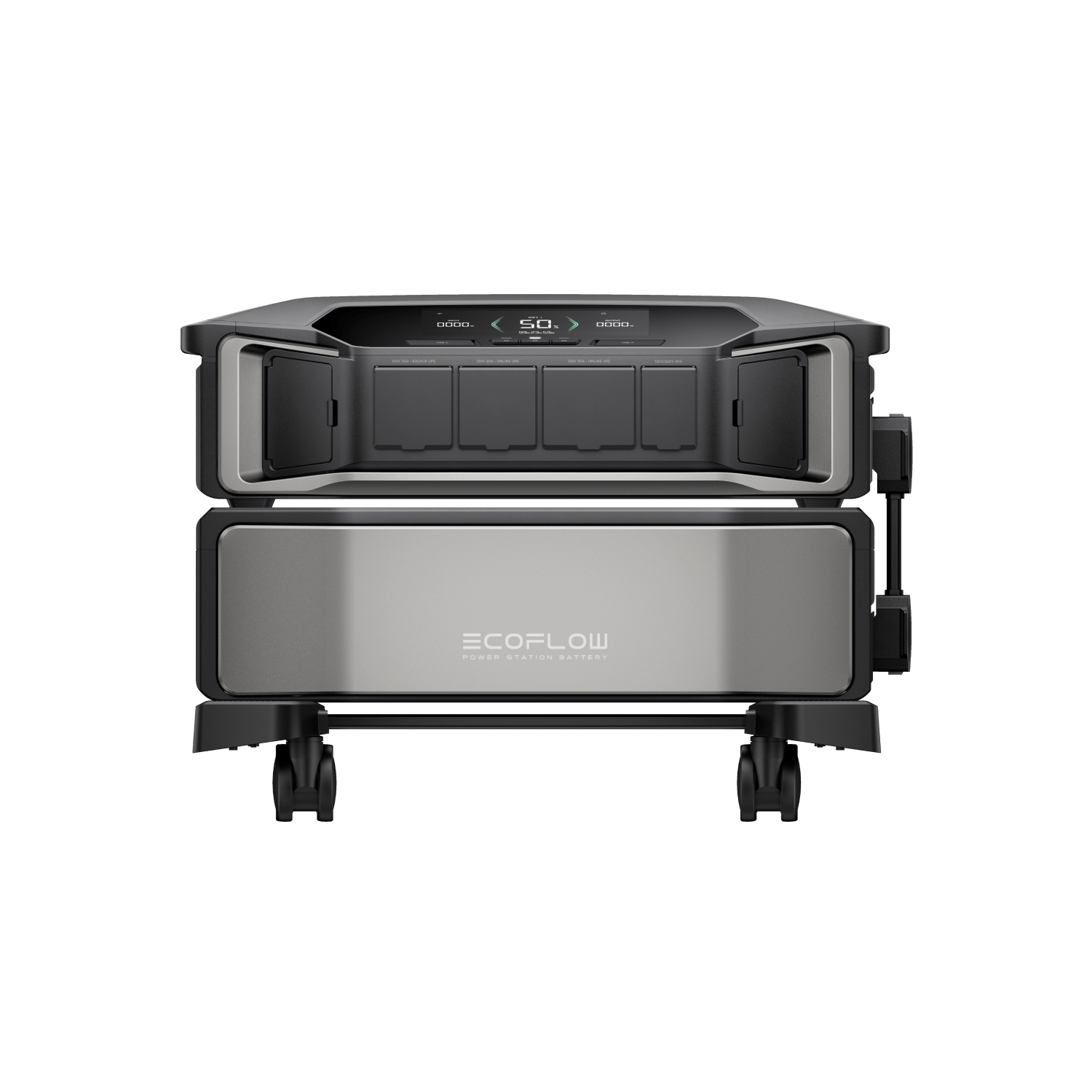
DELTA Pro Ultra
EcoFlow · $3,799
Homeowners who want a modular path from a single large battery toward true whole-home capacity
What We Like
- Expandable to 90kWh — genuinely in whole-home territory, not just a large portable
- EcoFlow's own product listing labels it UL 9540 certificated
Could Be Better
- Base 6144Wh unit alone is not whole-home scale; the 90kWh figure requires buying multiple expansion batteries
Key Specs
The clearest 'whole-home class' product here: it starts as a large portable but is designed to expand past the UL 2743 portable-pack scope into UL 9540 stationary ESS territory.
See price at EcoFlow
F3800 Plus
Anker · $2,399.99
Buyers who want home-battery-class expansion without EcoFlow's higher entry price
What We Like
- Expandable to 26.88kWh, well past single-unit portable scale
- 6000W continuous output covers most whole-home essential-circuit loads
Could Be Better
- 136.7lb base unit; expansion batteries add substantial weight and cost
Key Specs
The most affordable entry point into the expandable, home-battery-class tier among the units checked.
See price at Anker SOLIX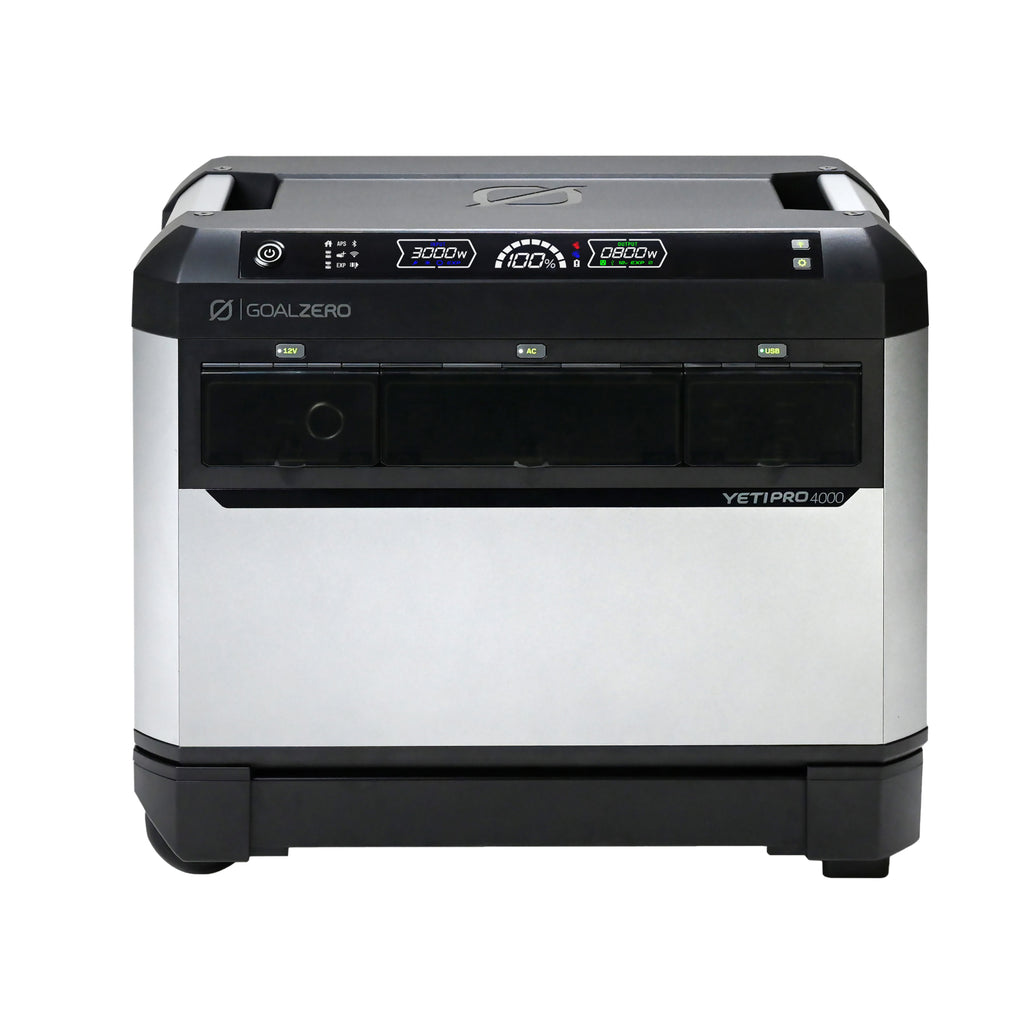
Yeti PRO 4000
Goal Zero · $3,999.95
Buyers who want a single large battery without committing to a multi-unit expansion ecosystem
What We Like
- ~3993Wh single-unit capacity, competitive with the EcoFlow and Anker base units
- LiFePO4 chemistry
Could Be Better
- No stated expansion path to whole-home-scale kWh in the fetched page content
Key Specs
A large single-unit alternative to the expandable EcoFlow and Anker systems, best for readers who don't plan to scale up further.
See price at Goal Zero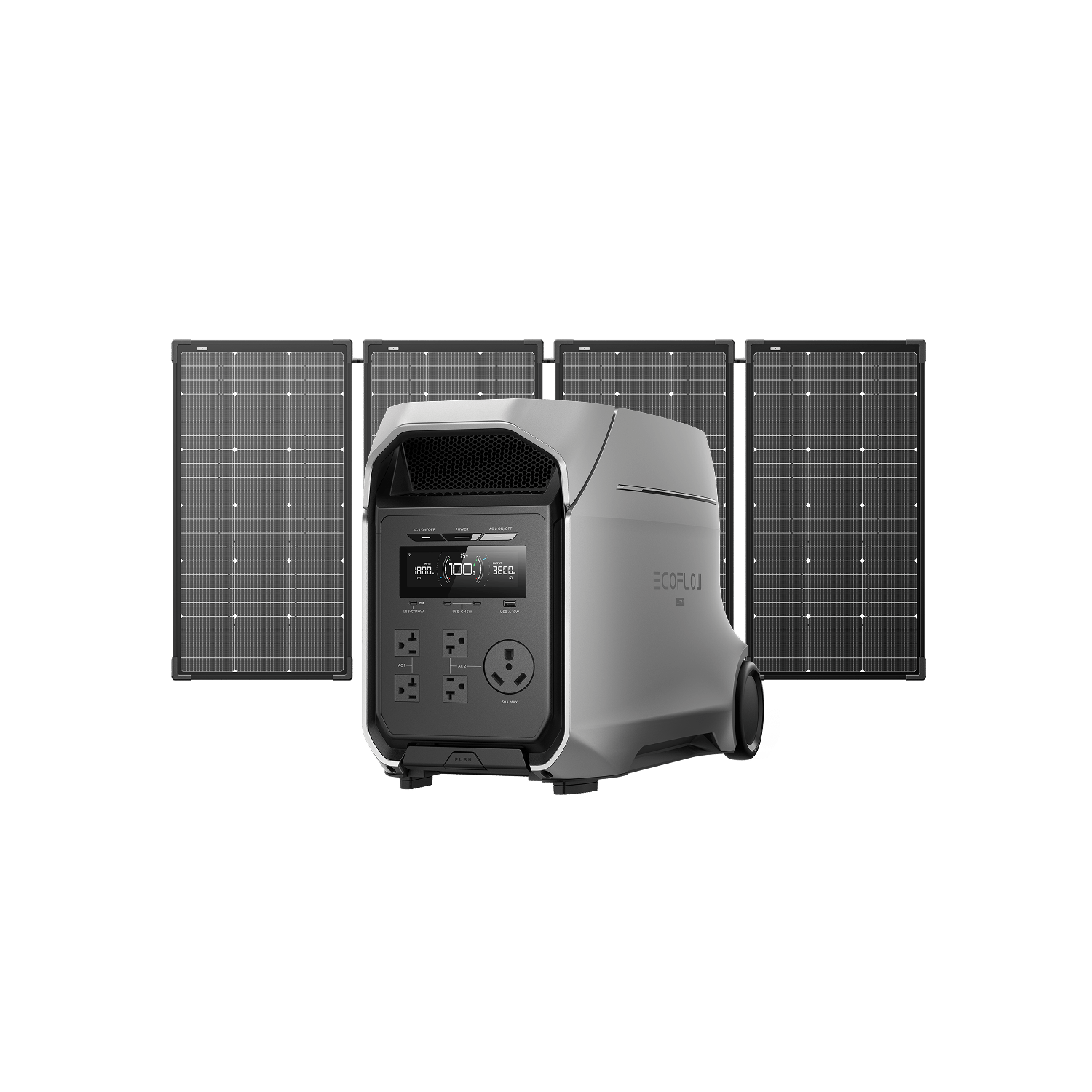
DELTA 3 Ultra Series Portable Power Station
EcoFlow · $1,399
Readers priced out of the expandable systems who want the largest true-portable unit as a bridge
What We Like
- Lowest price per Wh of the large-capacity units in this list
- Still falls under UL 2743's portable-power-pack scope, not UL 9540 — genuinely a portable, not a home battery
Could Be Better
- Not a whole-home system by any standard — included as the closest true-portable bridge to the category
Key Specs
Honestly a portable power station, not a whole-home system — the closest and cheapest bridge for readers not ready for the DELTA Pro Ultra or F3800 Plus tier.
See price at EcoFlow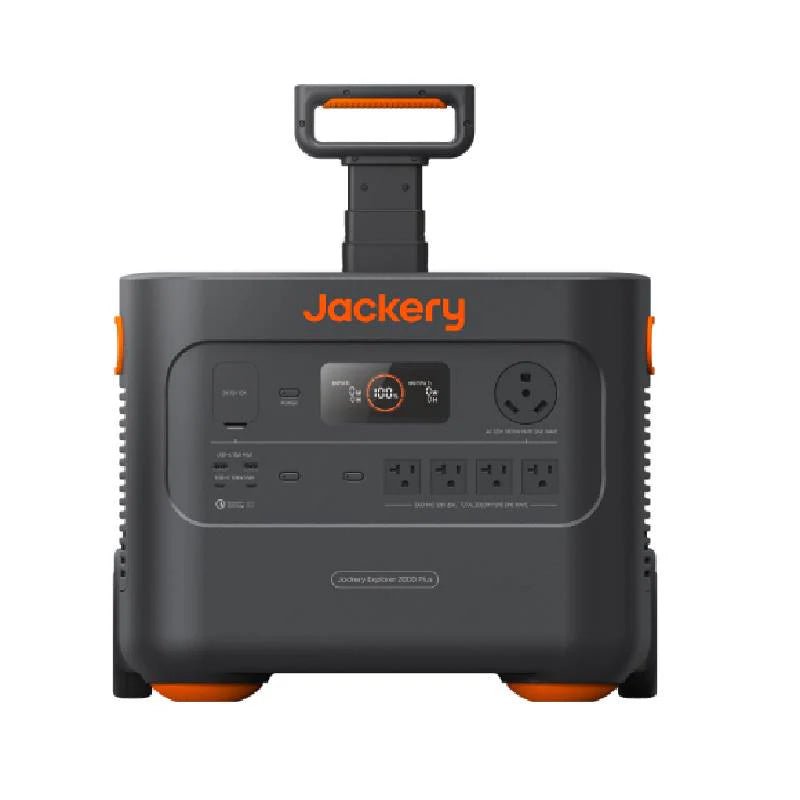
Explorer 2000 Plus Portable Power Station
Jackery · $2,499
Readers who want a name-brand portable bridge unit with strong documentation rather than the cheapest option
What We Like
- Well-documented brand support and solar-matching resources
- Price verified on the product page on 2026-09-05
Could Be Better
- Smallest capacity in this list and, like the DELTA 3 Ultra, a true portable rather than a whole-home system
Key Specs
Included as a second honest portable-class bridge option, not as a whole-home contender.
See price at JackeryProduct Comparison
| Product | Price | Rating | Reviews | Best For | Buy |
|---|---|---|---|---|---|
| DELTA Pro Ultra EcoFlow | $3,799 | 4.5 | — | Homeowners who want a modular path from a single large battery toward true whole-home capacity | EcoFlow |
| F3800 Plus Anker | $2,399.99 | 4.5 | — | Buyers who want home-battery-class expansion without EcoFlow's higher entry price | Anker SOLIX |
| Yeti PRO 4000 Goal Zero | $3,999.95 | 4.5 | — | Buyers who want a single large battery without committing to a multi-unit expansion ecosystem | Goal Zero |
| DELTA 3 Ultra Series Portable Power Station EcoFlow | $1,399 | 4.5 | — | Readers priced out of the expandable systems who want the largest true-portable unit as a bridge | EcoFlow |
| Explorer 2000 Plus Portable Power Station Jackery | $2,499 | 4.5 | — | Readers who want a name-brand portable bridge unit with strong documentation rather than the cheapest option | Jackery |
Get price-drop alerts and new guides from Outage Power Guide
One email a week: price drops on the gear we recommend, new guides, and what changed. No spam, unsubscribe anytime.